
Introduction
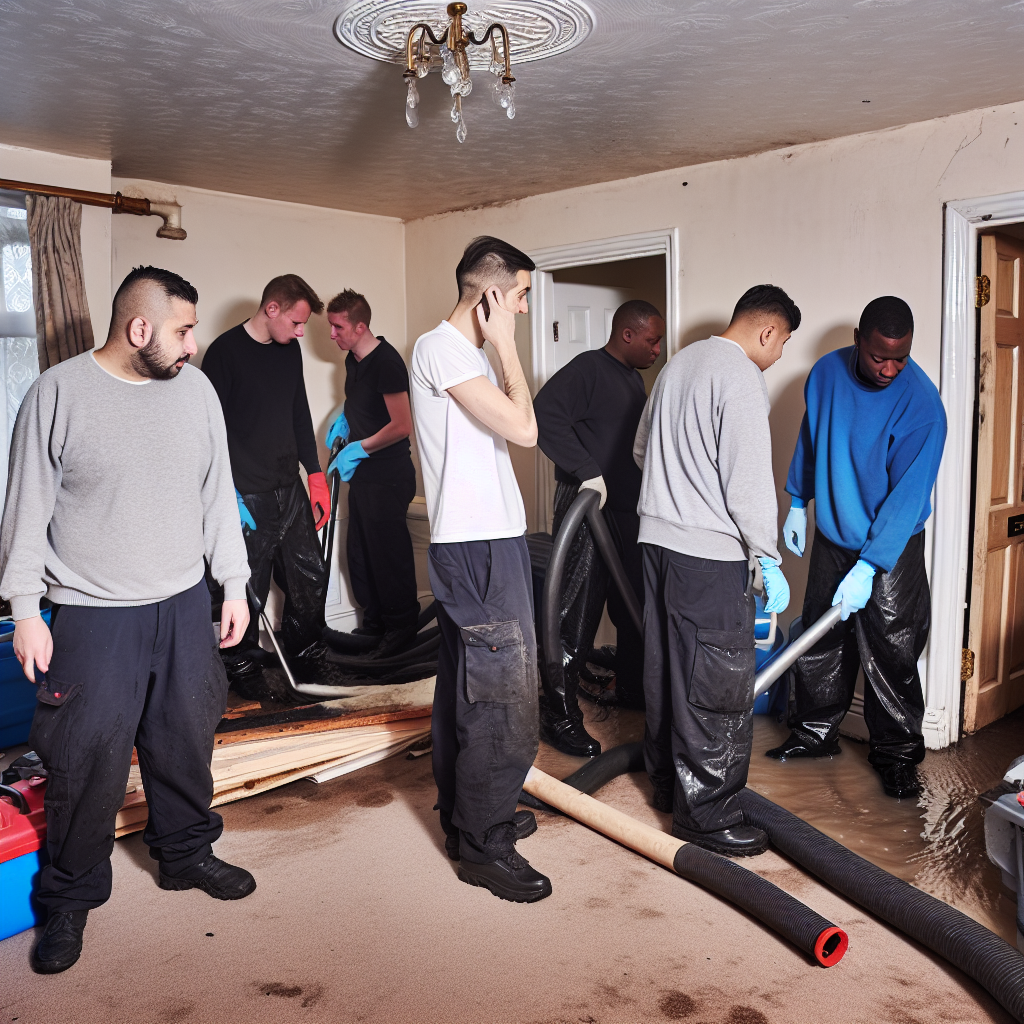
Dealing with the aftermath of a flood can be distressing and overwhelming. While the initial shock can be hard, tackling the after-effects which include water damage, structural compromise, and mould development, require a steadfast approach. To simplify this process and ensure a smooth return to normalcy, this guide focuses on flood damage cleanup strategies, restoration techniques, and insurance claims in the UK – essential elements for mastering this calamity’s aftermath.
Table of Contents
Efficient Flood Clean-Up Process
Restoration after a Flood Damage
Making Sense of Insurance Claims Handling
Understanding Flood Damage
Recognising and understanding the extent of damage floods can cause is crucial to an effective recovery process. According to UK’s Environmental Agency[1], one in six properties in the country is at risk of flooding. Flood damage can lead to structural instability, electrical hazards, and potential health risks due to unwanted pests and mould growth. The cleanup process after a flood requires a coordinated approach to tackle all these issues simultaneously.
Efficient Flood Clean-Up Process
Time is of essence during a flood clean-up operation. As said by Paul Davis, a professional in the field of flood restoration[2], “You generally have a 24- to 48-hour window to act before mould starts to grow”. Emergency services and specialists should be contacted immediately after the flood recedes.
Restoration after a Flood Damage
Once the cleanup is completed, properties must go through a thorough restoration process to make them habitable again. Restoration may include repairs to structures, rewiring of electrical systems, treating dampness, and repainting walls[3].
Making Sense of Insurance Claims Handling
Navigating through the labyrinth of insurance claims can be a daunting task. UK’s Financial Conduct Authority (FCA)[4] provides guidelines for dealing with insurance companies in scenarios like flood damage. These guidelines can help in understanding entitlement, how to lodge claims and what to expect from the insurance company.
Flood Damage Prevention Tips
The best way to deal with flood damage is preventing it in the first place. According to UK’s Environment Agency, there are measures homes and businesses can take to protect against flooding and reduce potential flood damage[5].
Conclusion
The ordeal of flood damage does not end when the water subsides. It involves dealing with the clean-up, restoration process, and the paperwork with insurance companies. However, having an understanding of each process will aid in overcoming the aftermath of this natural disaster more efficiently and with reduced stress.
Frequently Asked Questions
What are the common health risks associated with flood damage?
What is the process of mould treatment after flood damage?
How are insurance premiums affected after a flood claim?
What are the steps involved in restoring a property after flood damage?
What preventive measures can be taken to protect against flood damage?
References
[1] The Environment Agency. (n.d.) “Flood Risk.” Link
[2] Paul Davis. (2020). “Flood damage and cleanup.” Link
[3] Prospective UK homeowners. (2020). “Guide to dealing with flood damage.” Link
[4] The Financial Conduct Authority. (n.d.) “Dealing with insurance companies after a flood.” Link
[5] The Environment Agency. (n.d.) “Prepare for a flood.” Link


