
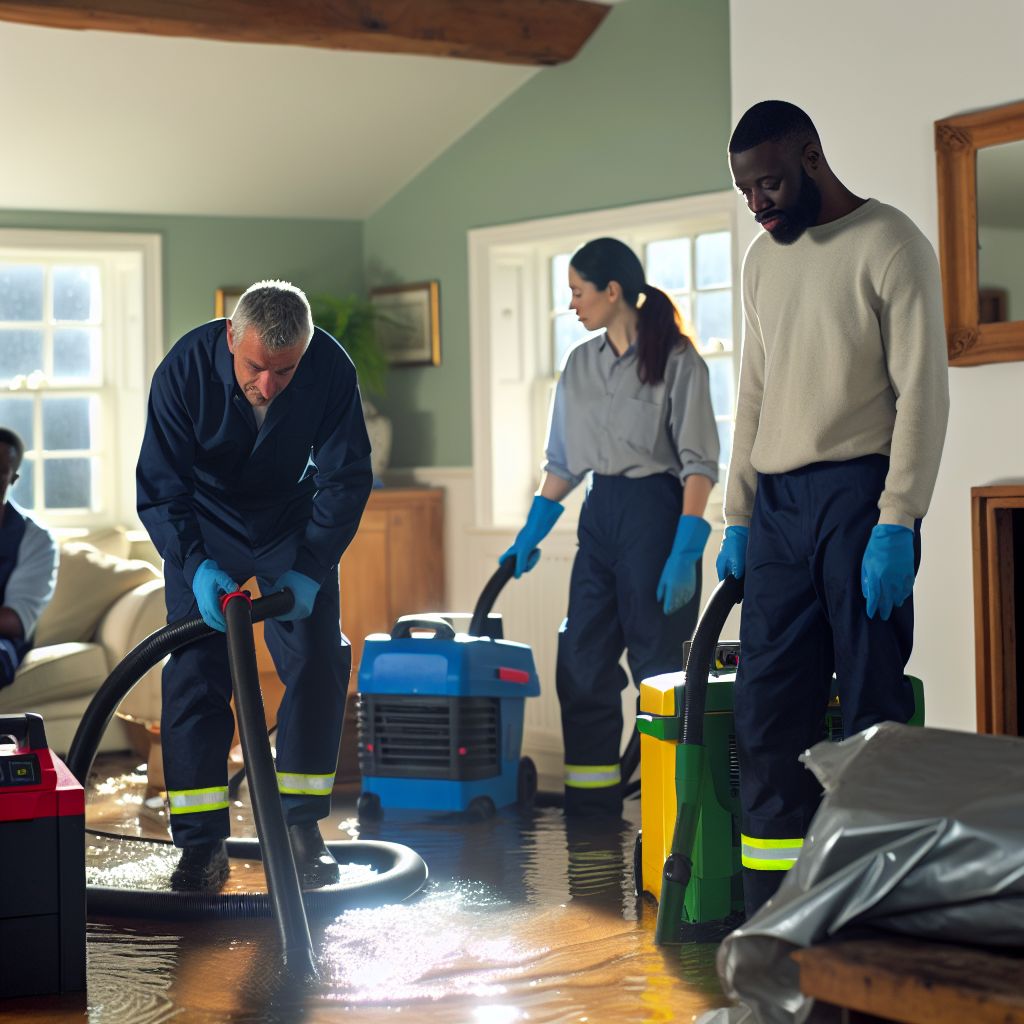
An Essential Guide to Flood Damage Cleanup and Restoration: Proven Strategies for UK Property Owners
Introduction
Flood damage is a significant risk for UK property owners, affecting the structure of your property, your belongings, and potentially your mental health. As asserted by the Association of British Insurers (ABI), one in six homes in England is at risk of flooding [1]. Acknowledging this risk and being prepared with an understanding of effective cleanup strategies can be the difference between minimal flood recovery time or a protracted, expensive process. This guide offers in-depth knowledge on flood damage cleanup and restoration, backed by proven strategies to help UK property owners recover promptly and efficiently.
Understanding the Extent of Flood Damage
When your property is flooded, the damage goes beyond water-sodden carpets and damp patches on your walls. The foundation of your house, electrical systems, and personal belongings such as furniture and appliances could all undergo severe damage [2]. These elements are crucial to the structure integrity of your property, making proper evaluation and restoration essential to prevent further detrimental effects.
Your Initial Flood Cleanup Process
Initial flood cleanup is crucial to mitigate immediate damage and prepare for professional restoration. After flooding occurs, what needs to be done first is to extract standing water using water pumps. This will help to accelerate the drying process and mitigate further water damage.
Collaborating With Restoration Experts
If the damage is widespread and severe, it is prudent to call upon the expertise of flood restoration professionals. According to the UK Flood Partnership, “trained professionals have a comprehensive understanding of the dangers associated with flood damage and restoration, and they can effectively ensure a safe, successful cleanup” [3].
Avoiding Health Hazards
Penetrated flood water intrinsically carries polluting elements that can introduce harmful bacteria and mold into your property. Stagnant water and damp areas are prime breeding grounds for mold, which causes severe health issues if not handled promptly [4].
Knowing Your Rights and Responsibilities
When it comes to flood damage, it’s essential to understand what you, as a homeowner, are responsible for and where you can seek help. The government’s guide to flood recovery explains that you are responsible for recovering your property, including carrying out any repairs [5].
Conclusion
Dealing with flood damage is a multifaceted process, requiring quick initial reaction, thorough evaluation, professional restoration, and understanding of your legal responsibilities. Implementing the strategies covered in this guide will equip you with the necessary steps to tackle cleanup and recovery effectively, thus mitigating the impact of flood damage to your UK property.
Frequently Asked Questions
What is the most common cause of flooding in the UK?
Flooding in the UK is most commonly caused by heavy rain and rising river levels, though coastal flooding due to high tides and storm surges also occurs often [6].
References
[1] The Association of British Insurers. (2020). “How To Avoid, Prepare And Recover From Flooding.” ABI. Link
[2] Smith, F. (2021). “Understanding the Impact of Flood Damage.” Environment Agency. Link
[3] UK Flood Partnership. (2019). “Guide to Flood Recovery.” UK Flood Partnership. Link
[4] Public Health England. (2018). “Health effects of flooding.” GOV.UK. Link
[5] GOV.UK. (2020). “Flood recovery: guide for homeowners”. Link
[6] Met Office. (2022). “Causes of Flooding”. Met Office. Link


