
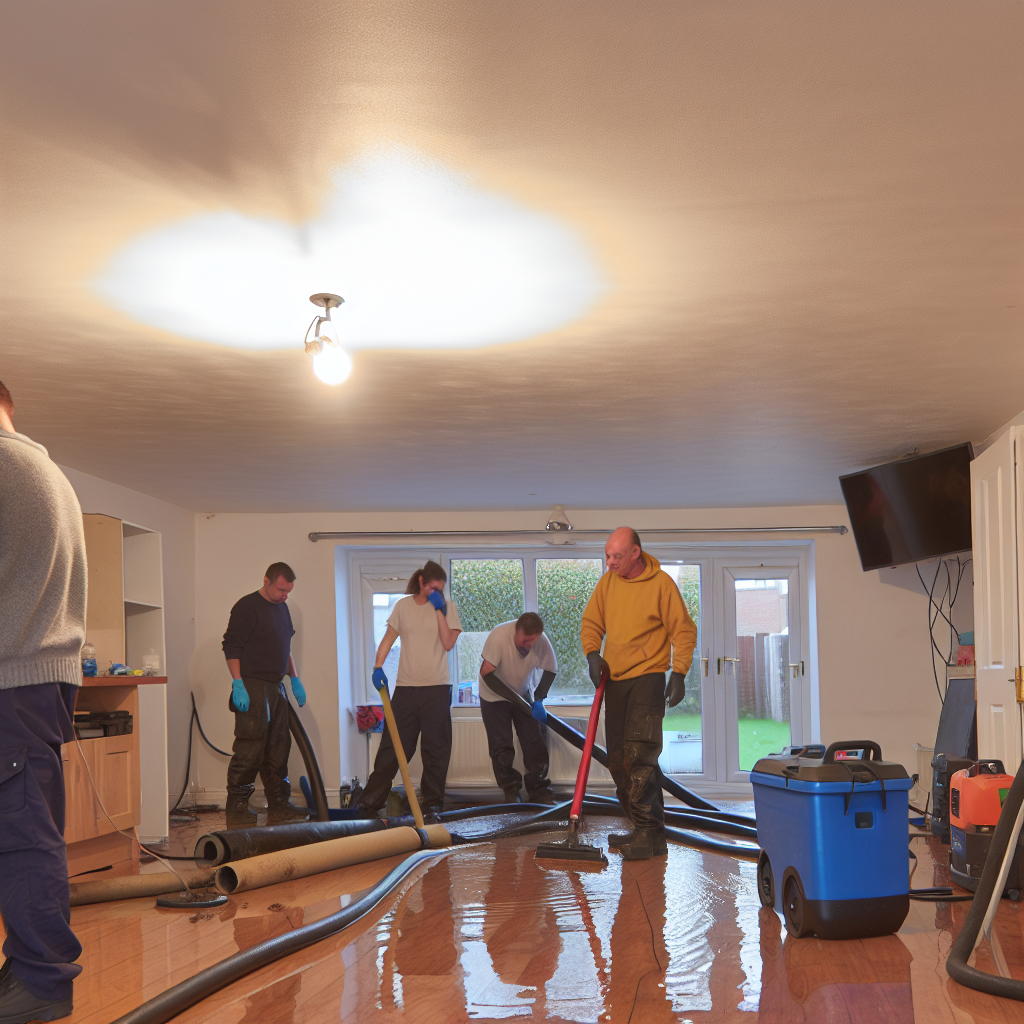
Guidelines for Property Owners: Navigating Flood Damage Cleanup and Restoration in the UK
When the unthinkable happens, and your property is inundated with water, quick action is crucial. Each year in the UK, thousands of homes are affected by floods, causing significant damage, yet many property owners are unprepared for the aftermath. Understanding the protocols for flood damage cleanup and restoration can facilitate a swift and effective recovery. This guide aims to provide a comprehensive overview of what to expect and how best to respond after a flood disaster in the UK.
Table of Contents
- Assessing the Damage
- Understanding the Cleanup Process
- Restoration Tips and Best Practices
- Navigating Insurance Claims
- Implementing Preventative Measures
Assessing the Damage
Once the floodwaters recede, assessing the extent of the damage becomes vital. According to the Environment Agency, flood damage can be categorised into structural, cosmetic, and health-related. Structural damage refers to impacts on the integrity of the building, such as damage to the foundations or the walls. Cosmetic damage is apparent to the eye and involves aspects like staining and discolouration, while health-related damage signifies the potential for mould growth and bacterial contamination.
Understanding the Cleanup Process
The cleanup process after a flood is complex and demanding. However, knowing what to expect can make the process smoother. It’s important to dry out the property as quickly as possible, dispose of any unsalvageable items, and sanitise surfaces to remove bacteria and prevent mold growth, according to experts from the British Damage Management Association.
Restoration Tips and Best Practices
Restoring your property after a flood is no simple task, but adopting best practices can make the process more manageable. Enlisting the help of certified restoration professionals who understand UK flood damage protocols is one of the most effective ways to ensure your property is restored to a safe and habitable condition.
Navigating Insurance Claims
Understanding how to navigate the insurance claims process after a flood can be crucial to recovering financially from the disaster. According to the Association of British Insurers, property owners should contact their insurance company as soon as possible to report damage and start the claims process.
Implementing Preventative Measures
The beauty of understanding the workings of flood damage cleanup and restoration lies not only in overcoming the aftermath but also in preventing future disasters. Environment Agency statistics indicate that homes with prevention measures in place are less likely to suffer significant damage in the event of a flood.
Frequently Asked Questions
What steps should a property owner take immediately after a flood?
Which preventative measures are most effective in reducing flood damage?
How do insurance companies assess flood damage claims?
What are the key restoration procedures to expect after a flood?
What UK regulations apply to flood damage restoration?
References
[1] Environment Agency. (2020). “Understanding and assessing flood damage”. Link
[2] British Damage Management Association. (2019). “Flood cleanup: A guide for property owners”. Link
[3] Association of British Insurers. (2021). “Navigating flood insurance claims”. Link
[4] UK Government. (2020). “National Flood Resilience Review”. Link
[5] Public Health England. (2019). “Health risks of flooding”. Link
Conclusion
Whether faced with the aftermath of a catastrophic flood or minor water damage, understanding the cleanup and restoration process is crucial for property owners in the UK. By assessing the damage, understanding the cleanup procedure, adopting best restoration practices, navigating insurance claims, and implementing preventative measures, property owners can rebuild swiftly and more resiliently after flood damage. To ensure the best outcome, it is recommended to engage professionals and observe sector regulations.


