
Guidelines for UK Property Owners: Expert Techniques and Essential Steps for Flood Damage Cleanup and Restoration
Introduction
The risk of flood damage is a pressing reality for UK property owners, given that around 5.2 million properties in England are susceptible to flooding [1]. Successful flood damage cleanup and restoration require understanding and implementing a complex process—a daunting task for many homeowners. This guide provides expert guidelines and crucial steps for UK property owners in effectively navigating this process, minimizing the impacts of flooding, and ensuring the swift recovery of their properties.
Table of Contents
– Understanding Flood Damage
– Steps in Flood Damage Cleanup and Restoration
– Choosing the Right Professionals
– Navigating Insurance Claims for Flood Damage
– Preventative Measures Against Future Flooding
Understanding Flood Damage
Flood damage can have severe implications for building structures and create dangerous health hazards. Central Health England lists flooding as a significant public health risk due to the potential for communicable diseases and mental stress [2]. Therefore, immediate action following flood damage is critical, as discoloration, weakening of building materials, and harmful mould growth can occur within 24-48 hours [3].
Steps in Flood Damage Cleanup and Restoration
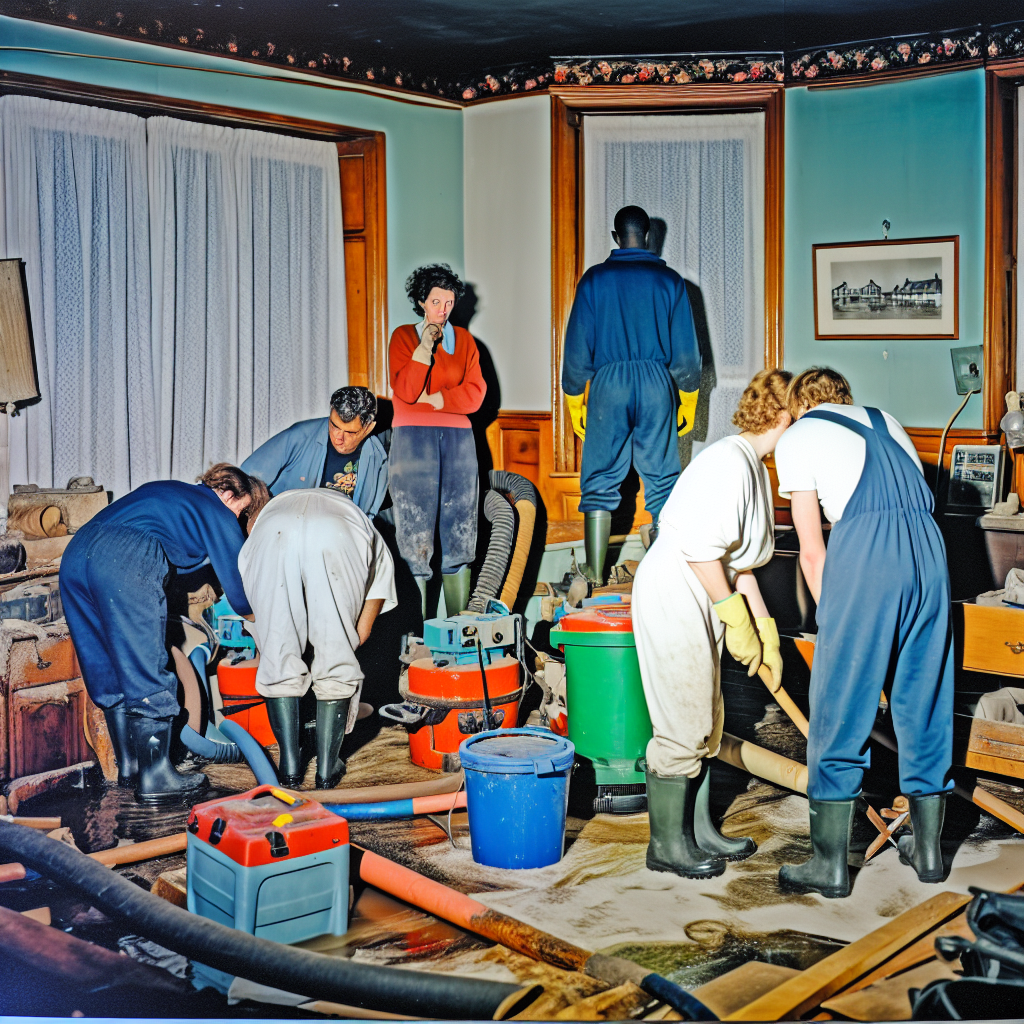
The flood recovery process involves multiple stages like water extraction, cleaning, decontamination, drying, repair, and restoration. The Flood Restoration Service (FRS) provides detailed guidance on this process, including techniques from professionals experienced in restoring properties with severe flood damage [4].
Choosing the Right Professionals
John Thompson, a restoration expert at ProTech Property Solutions, suggests, “Choosing a recovery firm with a proven track record in flood damage is essential. Make sure they are also fully insured and have an established relationship with major insurers in the UK” [5].
Navigating Insurance Claims for Flood Damage
Securing a fair insurance settlement can be complex. Familiarising yourself with the Flood Re scheme, launched by the UK Government and the insurance industry in 2016, can support homeowners in getting better insurance payouts and affordable insurance premiums [6].
Preventative Measures Against Future Flooding
The Environment Agency suggests preventative measures like installing flood barriers, water-resistant materials, and non-return valves in homes at risk of flooding [7]. Knowledge of local flood risks, evacuation routes, and flood warning systems can also be instrumental in mitigating damage.
Conclusion
With the right knowledge and resources, UK property owners can effectively tackle flood damage, restore their properties, and take preventative measures for the future. From understanding the implications of flood damage to navigating the restoration process, professional help and insurance claims, homeowners can more confidently face these challenges.
Frequently Asked Questions
What are the health hazards of flood damage?
What professional certifications should I look for in a flood restoration company?
How can I ensure a fair evaluation from the insurance adjuster?
What should my flood emergency kit contain?
References
[1] Environment Agency. (2021). “Flood Risk Map for England”. Link
[2] Central Health England. (2016). “Public health risks of flooding”. Link
[3] The Flood Restoration Service. (2021). “The Dangers of Flood Water”. Link
[4] The Flood Restoration Service. (2021). “A Guide To The Flood Recovery Process”. Link
[5] Thompson, John. (2022). “Choosing your restoration partner”. Link
[6] UK Government. (2016). “Flood Re: understanding flood insurance”. Link
[7] Environment Agency. (2021). “Prepare your property for flooding”. Link


