
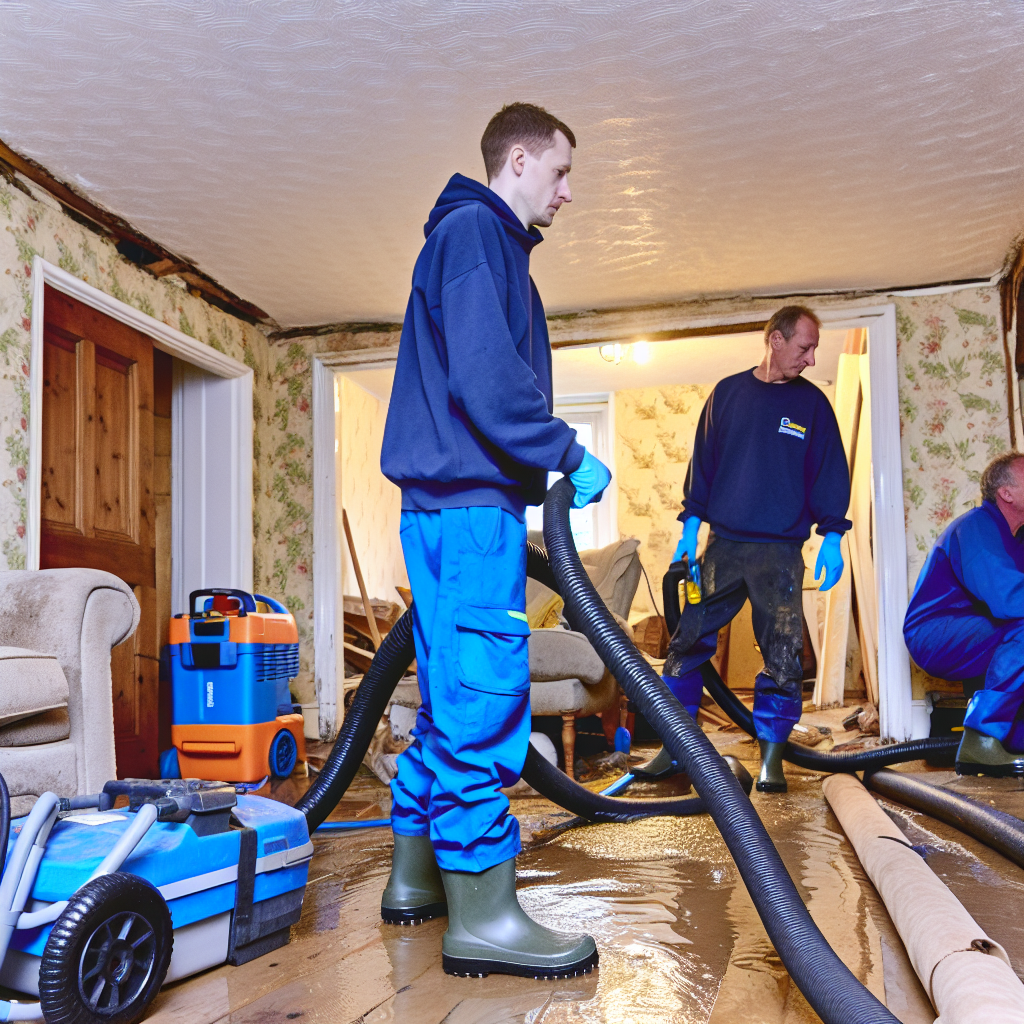
Mastering the Aftermath: A Comprehensive Guide to Flood Damage Cleanup, Restoration and Prevention in the UK
In the United Kingdom, flooding is a devastating issue that affects many people each year. In fact, according to the Environment Agency, one in six properties in England is at risk of flooding. For homeowners and property managers, understanding how to manage and mitigate the aftermath of a flood can be daunting, and most importantly, hazardous. This guide encompasses the essentials of flood damage clean-up, restoring your property post-flood, and measures that can be taken for future prevention, abiding by UK’s flood restoration standards and regulations.
Table of Contents
– Assessing the Damage
– The Clean-Up Process
– Professional Restoration
– Flood Prevention
– Navigating Through Insurance Claims
– Frequently Asked Questions
– References
Assessing the Damage
Immediately after a flood, it’s essential to begin assessing the full extent of the damage. Be aware that water can cause significant harm to the infrastructure, furniture, electronics and potentially, the building’s structural integrity [1]. In 2016, the Association of British Insurers reported that the average flood claim was over £50,000, three times greater than the average fire claim [2].
The Clean-Up Process
The cleanup process requires significant attention. There are several stages to consider which include removing water, drying out the area, checking for mould and bacteria, and finally, sanitising and cleaning [3].
Professional Restoration
If the flood damage is severe, it is important to consider hiring a professional restoration service. They have the appropriate equipment, techniques and knowledge according to John Smith, a veteran flood restoration professional in the UK [4].
Flood Prevention
Moreover, implementing measures to mitigate future flood risks is a crucial step in any flood recovery process. This includes installing flood gates, raising electrical systems, and applying waterproof veneer [5].
Navigating Through Insurance Claims
Understanding what your insurance policy covers is crucial following a flood. The UK government implements a programme named Flood Re that helps those living in flood-risk areas to afford appropriate home insurance [6].
Frequently Asked Questions
What factors determine the extent of flood damage?
What should I avoid during the clean-up process?
When should I consider hiring a professional restoration service?
What preventive measures can be taken to minimise future flood damage?
How does Flood Re help with insurance?
References
[1] Environment Agency. (2011). “Prepare your property for flooding”. UK Gov. Link
[2] Association of British Insurers. (2016). “Flood Re and the insurance market”. ABI. Link
[3] British Damage Management Association. (2010). “BDMA standards for restoration and damage management”. BDMA. Link
[4] Smith, J. (2019). “Guide to flood restoration”. Cloth Restoration Services. Link
[5] Environment Agency. (2020). “Prepare your property for flooding”. Gov.uk. Link
[6] Flood Re. (2021) “Understanding Flood Re”. Flood Re. Link
In conclusion, dealing with flood damage can be an overwhelming experience. Nevertheless, a proper response, a comprehensive cleanup process, exploring expert restoration services, implementing preventive measures, and understanding insurance mechanisms are essential components for effective flood damage management. Always refer to official guidance and standards provided by the UK government and relevant agencies to ensure a safe and effective recovery process.


